
The short answer: Coronary artery disease is narrowing of the heart's arteries by plaque, a build-up of cholesterol, calcium and inflammatory material in the artery wall. It can cause chest tightness or breathlessness on exertion, or stay silent until a heart attack. Treatment combines lifestyle changes, medications that slow plaque growth and, when needed, a stent or bypass surgery.
Coronary artery disease (CAD) occurs when the heart's blood vessels become narrowed or blocked due to plaque buildup. This progressive condition can lead to various symptoms and, if left untreated, serious heart events.
What Is Coronary Artery Disease?
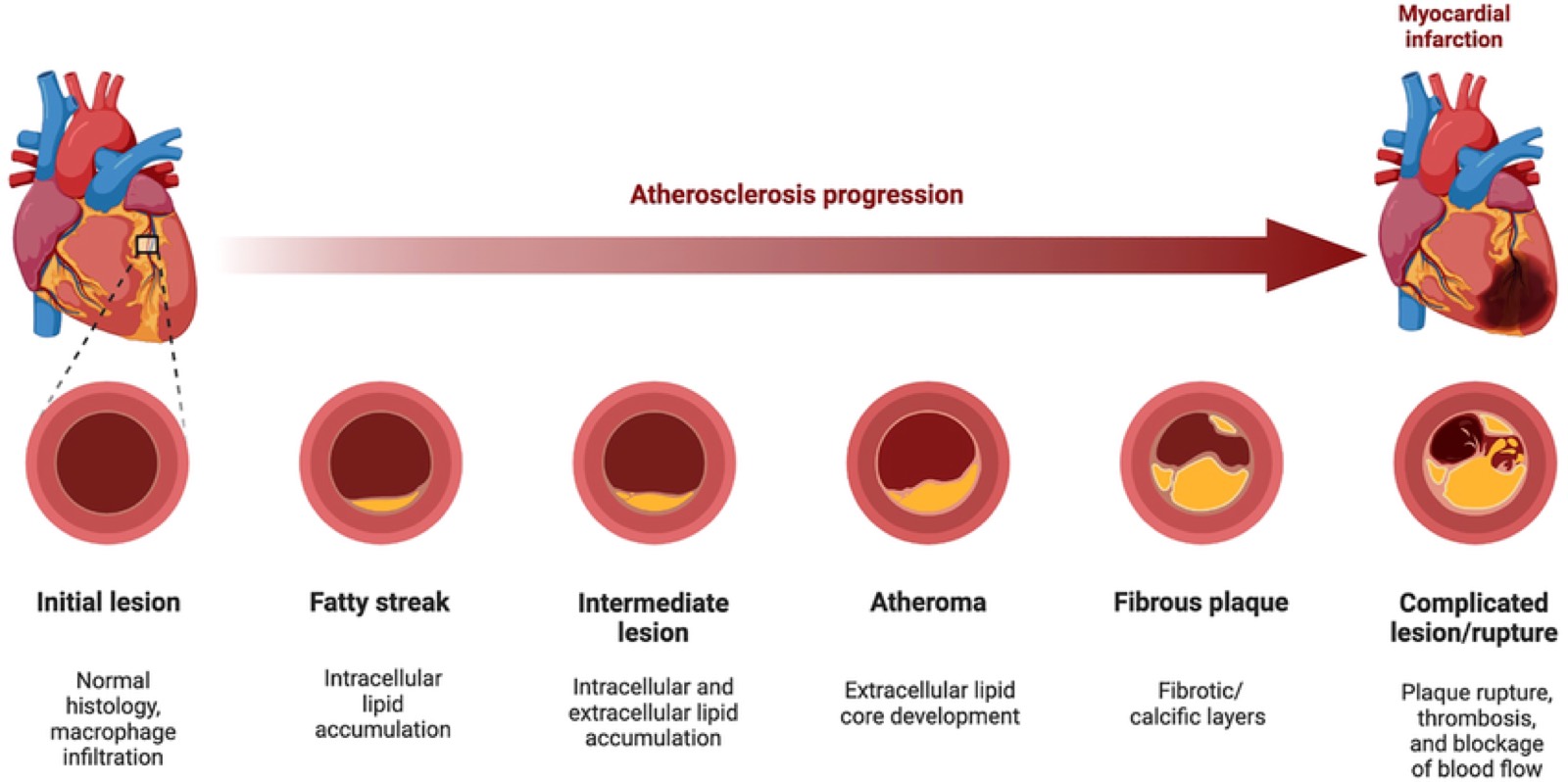
CAD develops when cholesterol, calcium, and inflammatory materials accumulate inside the artery walls, forming "plaque." This plaque hardens and narrows the arteries, reducing blood flow and oxygen to the heart muscle. This can cause symptoms, especially during physical activity or stress, which may potentially lead to a heart attack.
How Coronary Artery Disease Develops
Plaque formation
Build-up of fatty and inflammatory material within the artery wall.
Vessel Narrowing
Progressive plaque build-up and narrowing of the artery.
Rupture Risk
Unstable plaque may rupture, causing sudden blockages and a heart attack.
Some blockages may cause early symptoms, while others remain silent for years.
Common Symptoms
Chest Discomfort
Tightness, pressure, or discomfort in the chest area.
Shortness of Breath
Difficulty breathing, especially during exertion.
Fatigue
Unexplained tiredness or reduced exercise tolerance.
Referred Pain
Discomfort spreading to the arms, neck, jaw, or back, often on the left side.
Symptoms vary, and some individuals experience minimal discomfort, while others face significant daily limitations.
Risk Factors
Many factors increase your risk of CAD, but many are modifiable through lifestyle changes and medical treatment.
High Blood Pressure
Damages artery walls over time.
High Cholesterol
Contributes to plaque formation.
Diabetes
Accelerates arterial damage.
Smoking
A major contributor to arterial injury.
Family History
Genetic predisposition to heart disease.
Inactive Lifestyle
Lack of physical activity and being overweight.
How Coronary Artery Disease Is Diagnosed
Understanding Your Symptoms
Diagnosis begins with a detailed discussion about symptoms, activity levels, and how your heart health affects daily life.
Clinical Assessment
A careful review of medical history, risk factors, medications, and a physical examination helps guide further testing.
Blood Tests
Blood tests may assess cholesterol, blood sugar, kidney function, and markers of cardiovascular risk.
Non-Invasive Heart Imaging
Tests such as ECGs, echocardiography, stress testing, or CT coronary angiography help evaluate heart function and detect artery disease without invasive procedures.
Invasive Coronary Angiography
In some cases, an invasive coronary angiogram is recommended to directly visualise the heart arteries and guide treatment decisions.
The goal is to understand both the physical anatomy of your arteries and how blockages affect your daily life and symptoms.
Treatment Options
Lifestyle Modification
Crucial changes include diet improvements, increased physical activity, smoking cessation, and effective stress management for long-term heart health.
Medical Therapy
Medications are used to reduce symptoms, improve blood flow, lower cholesterol, control blood pressure, and mitigate future risks.
Minimally Invasive Coronary Angioplasty
Minimally invasive options like angioplasty and stent placement can alleviate symptoms for suitable patients who remain symptomatic despite medical therapy.
Open Heart Surgery
Coronary artery bypass surgery may be recommended for selected patients with extensive disease, rerouting blood around blockages.
What Treatment Aims To Achieve
Reduce Symptoms
Alleviate discomfort and improve overall well-being.
Improve Function
Enhance exercise capacity and ability to perform daily activities.
Lower Risk
Decrease the chance of future heart attacks and other complications.
Enhance Quality of Life
Enable you to live a full and active life.
Ultimately, treatment focuses on helping you feel better and live well, rather than simply "fixing" arteries.
Our Patient-First Approach
Listening carefully to your unique symptoms and concerns.
Explaining all available treatment options clearly and comprehensively.
Thoughtfully weighing the benefits and risks of each approach.
Engaging in shared decision-making to align with your health needs and life goals.
The Bottom Line
Coronary artery disease is common, but it does not have to define your life. With careful assessment and an individualised approach to treatment, many people can remain active, independent, and well.
"The focus is on meaningful improvement, lasting heart health, and helping you live well."
For GPs
- Risk assessment: use AusCVDRisk in people aged 45–79 (30–79 for First Nations people, 35–79 with diabetes). A Heart Health Check (MBS 699) can be claimed once every 12 months from age 30.
- When to refer: exertional symptoms, a change in angina pattern, symptoms despite two anti-anginal agents, new LV dysfunction, or ischaemic ECG changes.
- Secondary prevention at diagnosis: high-intensity statin with an LDL target below 1.8 mmol/L (below 1.4 mmol/L in very high risk, ESC), antiplatelet therapy, BP control, smoking cessation, sublingual GTN and a written action plan. (ESC 2024 CCS)
- Cardiac rehabilitation: refer every patient after ACS or revascularisation. (Cochrane 2021)
- Referral contents: symptom description, ECG, lipids, HbA1c, eGFR, AusCVDRisk score, current medicines and previous imaging reports.
General information for referring practitioners. Check current MBS and PBS criteria before acting.